A First Look Down at Your Walkway
You ever notice how we walk in and out of our homes dozens of times a week but barely look at
the ground beneath our feet? Funny thing is, the walkway is one of those parts of a house that
quietly takes a beating. Rain, heat, kids running around, Amazon packages dropped off every
other day—it all adds up.
The truth? Most homeowners in Charlotte don’t think twice about their walkway until it starts
looking rough. And by the time cracks or puddles catch your eye, the damage usually isn’t
brand-new. It’s been happening slowly, in the background.
So here’s the real question: how do you spot the signs early, before “a small fix” becomes “a full
replacement”? Let’s walk through it (pun intended).
Small Cracks That Don’t Stay Small
Let’s start with the obvious: cracks. One tiny line across the concrete isn’t the end of the world.
Most folks glance at it and shrug—“concrete cracks, right?” Sure, but here’s the kicker: those
little lines rarely stay little.
Picture this: it rains. Water trickles in. Charlotte’s clay soil swells, then shrinks as it dries out.
The crack widens a hair. Then another season rolls by, and suddenly what was barely
noticeable is wide enough for a weed to make itself at home.
Would you ignore a crack in your phone screen?
Probably not, because you know it only
spreads. Your walkway works the same way.
Sunken or Uneven Slabs
Ever walked across your path and felt one foot land higher than the other? That sinking feeling
(literally) usually means the soil under your walkway isn’t holding up. Maybe it’s washed away
by heavy rains. Maybe it just settled unevenly over the years.
Either way, the result is the same: uneven slabs that don’t just look bad but create a real tripping
hazard. And let’s be honest, no homeowner wants to see a guest stumble before they even ring
the doorbell.
I’ve seen neighbors try to shrug this off by saying, “It’s just a little uneven.” Next thing you know,
the whole section dips, and replacing a slab isn’t nearly as cheap as leveling it early.
Puddles That Stick Around
Charlotte weather can be wild—one moment blazing hot, the next a sudden downpour. After the
rain, your walkway should dry up fairly quickly. If you’re still dodging puddles hours later,
something’s off.
Pooled water usually points to an uneven surface. And here’s the bigger issue: water that hangs
around doesn’t just sit politely. It seeps in. In winter, it freezes, expands, and makes those tiny
cracks worse.
Think of it as your walkway whispering: “Hey, I’m sagging here. Don’t ignore me.”
Fading, Stains, and Wear
Not all warning signs are structural. Sometimes, it’s cosmetic wear that gives things away first. If
your walkway looks dull, discolored, or permanently stained, it’s telling you it’s been through a
lot.
Sunlight, oil drips from cars, or just years of use—all these take their toll. A faded walkway won’t
collapse tomorrow, but it does drag down the overall look of your property. If you’re thinking of
selling, buyers absolutely notice. And if you’re not selling, well, who wants to walk up to a house
that looks older than it really is?
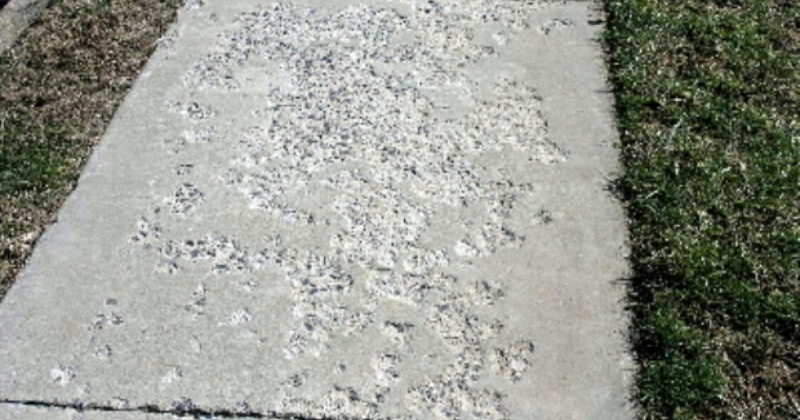
Edges That Start to Crumble
Take a closer look at the sides of your walkway. Are little bits breaking off? Corners flaking?
Those edges are like the canary in the coal mine. Once they start failing, the damage rarely
stops there.
I once saw a walkway where the edges looked like someone had taken bites out of them. By the
time the homeowners decided to fix it, entire sections were compromised. A quick repair a year
earlier would’ve saved them thousands.
When the Green Shows Up
Here’s a simple rule of thumb: if weeds are sprouting through your walkway, you’ve already got
cracks big enough to matter. And weeds aren’t just visitors—they’re invaders. Their roots push
into the cracks, forcing them wider.
It’s nature’s way of telling you, “I found a weak spot.” And trust me, ignoring it means you’re not
just fighting weeds—you’re fighting damage that spreads.
Why Early Repairs Make Sense
Now you might be wondering, “Okay, but do I need to jump on this right away?” Short answer:
yes. Waiting only makes things worse.
Here’s why:
● Small fixes cost far less than replacements.
● Safety risks increase over time.
● Walkways left unchecked pull down curb appeal.
Imagine paying $150 to patch a crack today versus shelling out $1,500 to replace a section next
year. Which one would you pick?
Charlotte’s Unique Challenge
Concrete behaves differently depending on where you live. Here in Charlotte, we deal with
heavy rain, sticky humidity, and soil that shifts more than you’d expect. Those conditions speed
up the wear and tear on your walkway.
That’s why it pays to lean on local pros. A team like Concrete Driveway And Walkway
Charlotte NC doesn’t just pour concrete—they understand what Charlotte weather does to it
over time. They design repairs that hold up against our climate instead of just looking good for a
few months.
Sure, you can try a DIY patch kit from the hardware store. But most of those quick fixes don’t
last past the first season of Carolina rain.
Quick Checklist: Do You Need Repairs?
Not sure whether it’s time to call in help? Run through this checklist:
● Can you slide a coin into a crack?
● Do puddles hang around after rain?
● Has anyone tripped on uneven spots?
● Are weeds poking through?
● Do the edges look chewed up?
If you nodded yes to even one, your walkway’s already giving you hints.
Repair or Replace?
This is the big one, right? Every homeowner hits that point where they stand on the walkway
and wonder, “Do I just patch this up, or do I need to bite the bullet and start fresh?”
Here’s how I like to think about it. Imagine your car. A little scratch on the door? You buff it out,
maybe touch up the paint, and you’re good to go. That’s repair—like sealing a few hairline
cracks in your concrete while everything underneath is still strong.
But now imagine the engine keeps stalling, the tires are shot, and the frame’s rusting out. At
some point, patching one thing after another just doesn’t make sense. That’s when replacement
comes in—like when slabs are sinking, edges are crumbling, or water keeps finding its way
back no matter how many times you patch.
The tricky part is knowing when you’re dealing with a scratch… and when you’re looking at an
old engine that’s on its last leg.
The Hidden Benefit Nobody Talks About
Here’s something practical homeowners forget: peace of mind.
It’s not just about safety or looks. It’s about walking to your front door every day without dodging
puddles, tripping over a crack, or silently worrying about guests getting hurt. That mental “ah, it’s
taken care of” is worth something. More than you realize.
Wrapping It Up
The funny thing about walkways is they never complain out loud. They just leave little
signs—cracks here, a puddle there, a bit of fading concrete.
If you pay attention early, you’ll avoid the big, ugly fixes. So next time you walk out, slow down
for a second. Your walkway might have something to say.. Do you see the warning signs? If you
do, don’t wait until it’s obvious. Call a local expert who knows how Charlotte’s climate treats
concrete.
Because in the end, your walkway isn’t just concrete. It’s the first impression of your home. And
it deserves a little attention before small issues become big ones.